

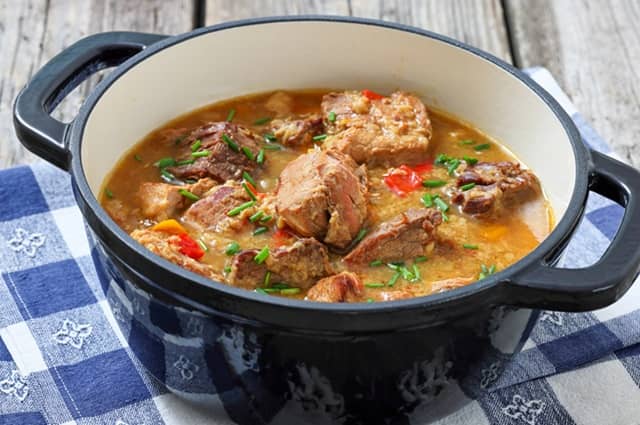
If you’ve ever stood in the cookware aisle debating between buying a Dutch oven pot or a stock pot, you’re not alone. At a glance, they can seem interchangeable, but they’re built for very different jobs. A Dutch oven is typically a heavy, enameled cast-iron pot designed for slow, even cooking, while a stock pot is lighter, taller, and made for handling large volumes of liquid. Think of it this way: one is your go-to for depth of flavor, the other for sheer capacity. And depending on how you cook, one may earn a permanent spot on your stovetop while the other stays tucked away until needed.
Why Design Makes All the Difference
The biggest differences come down to design and how each pot handles heat. Dutch ovens are thick and weighty, with tight-fitting lids that trap moisture and distribute heat evenly over time, which is ideal for dishes that benefit from low-and-slow cooking. Stock pots, on the other hand, are usually made from stainless steel or aluminum, with thinner walls that heat up quickly and cool down just as fast. That makes them perfect for boiling water, simmering broths, or cooking in big batches without the extra heft. If non-stick is a non-negotiable for you, check out the Le Creuset Cast Iron Signature Dutch Oven – its enamel interior minimizes sticking and requires no seasoning so you can get right to cooking faster!
Right Tool, Right Dish
Where this really shows up is how you cook. A Dutch oven shines when you’re braising short ribs, building a rich stew, or even baking crusty bread. It holds steady heat and develops flavor over time. A stock pot is your workhorse for pasta night, homemade soup, or any recipe that calls for gallons rather than quarts. It’s less about nuance and more about efficiency. If your cooking leans toward big family meals or meal prep, it’s worth looking into the Cuisinart Multiclad Pro Stock Pot that can handle the volume without feeling cumbersome.
Size Matters (And So Does the Price Tag)
Capacity is where the gap between these two really becomes clear. Dutch ovens are typically more compact, making them ideal for everyday meals or smaller households, while stock pots are built for scale. But size isn’t just about how much you can cook; it also ties directly to cost. Dutch ovens tend to be more of an investment thanks to their material and versatility, whereas stock pots are generally more budget-friendly and accessible. So, the question becomes: are you cooking for a crowd on a regular basis, or looking for a do-it-all piece that earns its keep over time?
The Right One for You
When it comes to which one belongs in your kitchen, there are no wrong answers. But if you love slow-cooked meals, one-pot dinners, and recipes that build flavor over time, a Dutch oven pot is likely worth the investment. If your kitchen revolves around soups, pastas, and cooking for a crowd, a stock pot will get more regular use. Many home cooks eventually find room for both, but if you’re starting with just one, let your cooking habits lead to the decision.
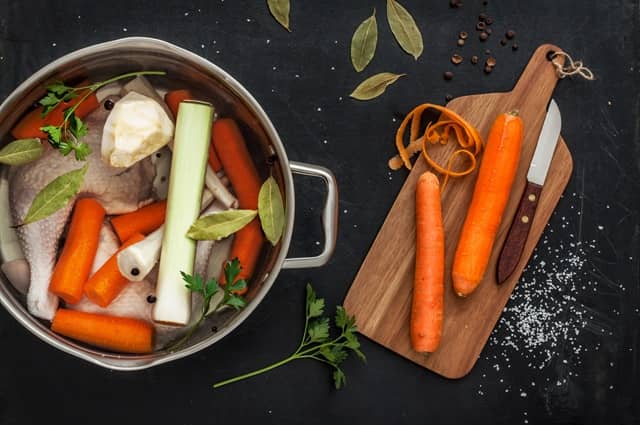
Stock Pot: Deposit Photos, Pinkyone