
If you’ve spent any time around serious barbecue fans, you’ve probably heard someone rave about burnt ends. These smoky, flavor-packed bites have become incredibly popular in the barbecue world, showing up on restaurant menus, in competitions, and backyard smokers alike. But what are burnt ends, exactly, and why do people get so excited about them?
Burnt Ends: Defined
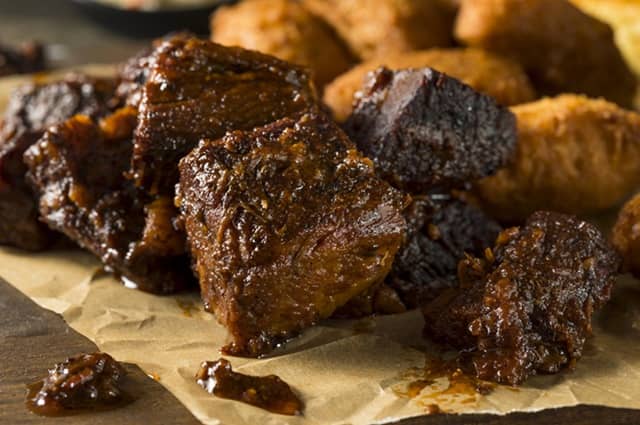
Despite the name, burnt ends aren’t actually burnt. Traditional burnt ends come from the point end of a beef brisket, a fattier, more marbled section of the cut. While they began as trimmings that pitmasters set aside during brisket preparation, they’ve since become a sought-after barbecue specialty in their own right. Today, burnt ends are known for their rich flavor, satisfying texture, and status as one of the most coveted bites in barbecue.
Kansas City Origins
Burnt ends trace their roots to Kansas City’s legendary barbecue scene. Decades ago, the heavily smoked ends of brisket were often considered scraps and trimmed away before serving. Rather than letting those flavorful pieces go to waste, pitmasters began offering them to customers. It didn’t take long for people to realize these weren’t leftovers at all! The combination of smoke, seasoning, bark, and rendered fat created something uniquely delicious. What started as a bonus treat eventually became one of Kansas City’s signature barbecue offerings.
Why People Love it
So, what’s all the fuss about? Part of the appeal is that burnt ends offer a little bit of everything barbecue fans crave. They’re rich without being overwhelming, packed with flavor, and very satisfying to eat. They’re also highly shareable, making them a natural fit for tailgates, backyard cookouts, and game-day gatherings. Set a tray in the middle of the table and chances are they’ll disappear long before the main course arrives!
How the Brisket Gets Made
Creating burnt ends requires a little patience, but that’s part of the magic. The process begins with smoking a whole brisket low and slow until it reaches the ideal tenderness. Once cooked, the point is separated from the leaner flat section and cut into chunks. Those pieces are often seasoned again and sometimes coated with barbecue sauce before returning to the smoker. A second round of cooking allows the edges to caramelize while the fat continues to render, creating the signature texture that made burnt ends famous in the first place.
Modern Variations
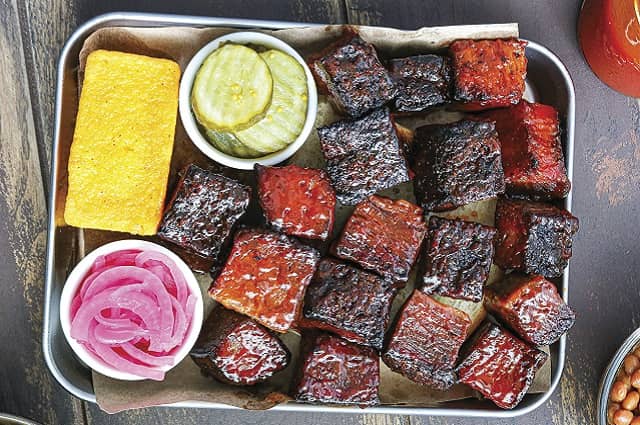
While brisket remains the traditional choice, today’s pitmasters have embraced plenty of creative variations. Pork belly burnt ends have become especially popular thanks to their rich, almost candy-like quality. Some cooks also experiment with chuck roast, ham, and other cuts that respond well to low-and-slow cooking methods. The growing popularity of these variations shows just how far the concept has evolved from its humble Kansas City beginnings.
How to Serve Burnt Ends
One of the best things about burnt ends is their versatility. Purists may prefer them straight from the smoker, but they also shine on sandwiches, tacos, sliders, and loaded nachos. They’re equally at home as an appetizer or the centerpiece of a barbecue spread. Whether you’re feeding a crowd at a tailgate or hosting friends in the backyard, burnt ends bring a little extra excitement to the menu.
Kansas City-Style Brisket Burnt Ends
One 4–6-pound brisket point
1 tablespoon yellow mustard
1/2 cup beef broth, for spritz
1/4 cup honey
4 tablespoons unsalted butter, divided into small pats
Kansas City-Style Dry Rub:
1/2 cup brown sugar
1/4 cup paprika
1 tablespoon black pepper
1 tablespoon kosher salt
1 tablespoon chili powder
1 tablespoon onion powder
1 tablespoon garlic powder
1 teaspoon cayenne pepper
1 teaspoon dry mustard
Kansas City-Style Barbecue Sauce:
2 cups ketchup
1/3 cup apple cider vinegar
2 tablespoons Worcestershire sauce
2 tablespoons honey
1 tablespoon smoked paprika
1 teaspoon dry mustard
1 teaspoon garlic powder
1 teaspoon onion powder
1 teaspoon chili powder
1/4 teaspoon cayenne pepper
Salt and pepper, to taste
1 tablespoon your favorite bourbon (optional)
- Preheat smoker to 250ºF. Transfer the beef broth to a spray bottle.
- If you have a whole packer brisket, separate the point from the flat by running a sharp knife through the hard, white fat between the two muscles. Trim any hard fat, tough pieces, remove any silver skin, and trim the top fat cap down to about ¼-inch thick.
- In a small bowl, combine all of the Kansas City-Style Dry Rub ingredients.
- Slather the brisket with the yellow mustard on both sides and season the brisket liberally on both sides.
- Place the brisket point on the top shelf in the grill and smoke the brisket point for about 6–8 hours until it reaches an internal temperature of 165ºF, spritzing with beef broth after 3 hours, or when there are dry spots on the meat, and then every hour or as needed. Note: Avoid spritzing too frequently, as this will add too much moisture on top of the meat and the desired bark will not form.
- Meanwhile, prepare the Kansas City-Style Barbecue Sauce. In a large saucepan, combine the ketchup, apple cider vinegar, Worcestershire sauce, honey, smoked paprika, dry mustard, garlic powder, onion powder, chili powder, cayenne pepper, salt, pepper, and bourbon. Simmer over low heat for about 25 minutes, stirring occasionally. Let it cool and store in an airtight container or mason jar until you’re ready to use it.
- Once the brisket point reaches an internal temperature of 165ºF, double wrap it tightly in pink butcher paper and return it to the grill. Smoke until the internal temperature reaches 190–195ºF, about 2–3 more hours.
- Remove the brisket point from the grill and unwrap it from the butcher paper, draining any liquid from the paper into an aluminum pan. Cut the brisket point into 1½-inch- thick cubes.
- Place the cubes into the aluminum pan and toss with the Kansas City-Style Barbecue Sauce and honey, then top with the pats of butter.
- Place the uncovered pan on the grill and smoke for 1–2 more hours, or until the burnt ends have absorbed the barbecue sauce and the sauce has thickened. The sauce should be sticky to the touch. Remove the pan from the grill and allow it to cool for about 0–15 minutes before serving.