

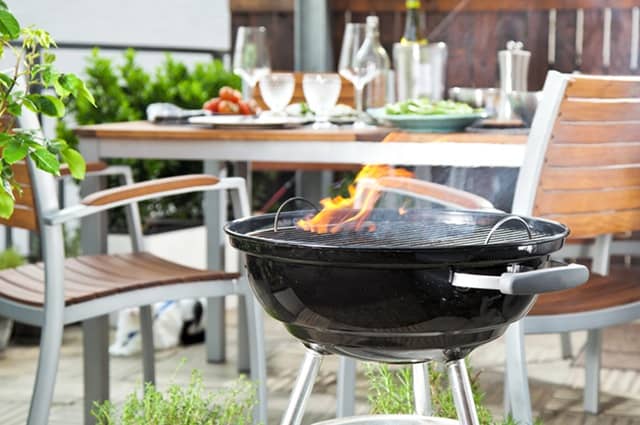
Charcoal grills hold a special place in backyard cooking for a reason: they deliver the kind of flavor and hands-on experience that many grill enthusiasts swear by. While gas grills prioritize convenience, charcoal grilling is about the ritual of a slow build of heat, the smell of smoke, and the satisfaction of cooking over real fire. With the right setup, a charcoal grill can reach incredibly high temperatures for steakhouse-quality searing while also handling low-and-slow cooking.
Charcoal Types: Briquettes vs Lump
Charcoal itself comes in two main forms: briquettes and lump charcoal. Briquettes are the familiar pillow-shaped pieces most people recognize. They burn at a steady, predictable rate, which makes them easy to manage and ideal for longer cooking sessions.
Lump charcoal, by contrast, is made from real hardwood that has been carbonized, giving it a more natural composition. It tends to burn hotter and produce a more pronounced smoky flavor, though the irregular shapes can make heat levels slightly less predictable. Many experienced grillers keep both on hand, using briquettes for consistency and lump charcoal when they want maximum heat and flavor.
Grill Styles
When it comes to grill design, charcoal models come in a few distinct styles, each suited to different cooking needs. Kettle grills remain the most recognizable and widely used, thanks to their simple shape and impressive versatility. A model like the Weber Original Kettle charcoal grill demonstrates why this design has endured for decades. Its domed lid encourages heat circulation, allowing it to function almost like an outdoor oven, while adjustable vents make it possible to fine-tune airflow and temperature. Larger barrel-style charcoal grills offer expanded cooking space for feeding a crowd, while compact portable grills bring charcoal flavor to smaller patios, tailgates, and campsites.
Heat Control & Cooking Performance
Mastering heat control is where charcoal grilling becomes both an art and a science. Instead of turning a dial, you regulate temperature by adjusting the grill’s vents and managing the arrangement of the coals themselves. By arranging coals strategically—piling them on one side for direct heat and leaving the other side cooler—you can create a two-zone cooking setup that gives you both searing power and gentle finishing heat. Charcoal also excels at producing the intense heat needed for deep caramelization on steaks and burgers.
Cost Efficiency
Charcoal grills are also among the most budget-friendly options for backyard cooking, both upfront and over time. Entry-level charcoal grills often cost far less than gas or pellet models, making them an accessible starting point for new grillers or anyone looking to keep their setup simple. Fuel is affordable as well; whether you choose briquettes or lump charcoal, a single bag can power multiple cookouts. A dependable, no-frills option like the Char-Griller Patio Pro shows how far a modest investment can go, delivering consistent heat, durable construction, and the kind of classic charcoal flavor that keeps people coming back to live-fire cooking.