

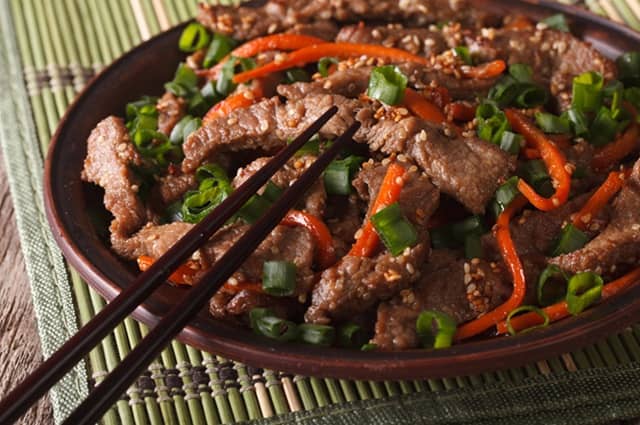
Few dishes strike the balance between comfort food and crowd-pleaser quite like bulgogi. With its sizzling aroma, caramelized edges and savory-sweet flavor, the Korean favorite has become a staple everywhere from backyard cookouts to trendy restaurants. While it may look impressive when served at the table, bulgogi’s appeal comes from a surprisingly simple combination of ingredients and techniques that let the flavor of the meat shine.
Breaking it Down
At its core, bulgogi is a classic Korean dish made from thinly sliced beef that’s marinated and cooked over high heat. The name itself translates to “fire meat,” a nod to the traditional grilling method used to prepare it. Ribeye and sirloin are popular cuts because they stay tender and flavorful, especially when sliced paper-thin. Once the beef hits a hot grill or skillet, the marinade caramelizes quickly, creating those irresistible browned edges. Whether it’s served at a Korean barbecue restaurant or cooked at home on a stovetop pan, bulgogi has a way of turning a simple meal into something memorable.
Marinade Makes the Dish
The secret behind bulgogi’s signature taste lies in the marinade. Soy sauce provides a savory base, while sesame oil adds richness and garlic brings sharpness and depth. Sugar or honey gives the meat its subtle sweetness, and many traditional recipes also include grated Korean pear or apple. (Not only does the fruit add natural sweetness, but it also helps tenderize the beef for a melt-in-your-mouth texture.) Green onions and black pepper round everything out, creating a balance of salty, sweet and smoky flavors in every bite. Ask five home cooks for their bulgogi recipe, and you’ll probably get five slightly different answers!
Traditional Serving
Bulgogi is rarely served alone. In Korean cuisine, the dish is often paired with steamed rice, crisp lettuce leaves and an assortment of small side dishes known as banchan. Kimchi, pickled vegetables and seasoned cucumbers are common additions that help balance the richness of the meat. Diners often build lettuce wraps by layering beef with rice, garlic or a dab of spicy ssamjang sauce before folding it all together into one flavorful bite. The interactive style of the meal is part of what makes bulgogi so enjoyable. It’s not just about the food itself, but also the experience of gathering around the table and sharing it with others.
Easy Ways to Make Bulgogi at Home
One reason bulgogi has gained worldwide popularity is how easy it is to recreate at home. The beef cooks in just a few minutes, making it a great option for busy weeknights. Freezing the meat briefly before slicing can help achieve the thin cuts typically used in restaurants, and a cast-iron skillet works just as well as an outdoor grill. While beef is the most traditional version, chicken and pork variations are also common and equally flavorful. Whether you’re trying Korean cooking for the first time or looking to expand your dinner rotation, bulgogi is a dish that delivers bold flavor without requiring complicated preparation.
Korean Beef Bulgogi Tacos

for the marinade:
¼ cup soy sauce
¼ cup sesame oil
¼ cup brown sugar
½ cup water
2 tablespoons garlic
1 teaspoon black pepper
1 teaspoon kosher salt
for the tacos:
2 pounds ribeye steak, very thinly sliced
12 small tortillas, corn or flour, street-taco style
1 head purple cabbage, shredded
5 radishes, sliced thin
1 bunch fresh cilantro, chopped
1 small white onion, diced
Put the ribeye in the freezer for 20–30 minutes to make it easier to slice. Then slice the ribeye extremely thin.
Mix all the marinade ingredients together in a plastic container or freezer bag. Add the sliced steak to the bag and let it sit in the refrigerator overnight.
Preheat a flat top, griddle or cast-iron skillet to medium-high heat. Grill the marinated ribeye for approximately 6 minutes.
Place a hearty helping of steak on each tortilla. Top with slices of radish, diced onion, cabbage, and cilantro. Serve warm.