

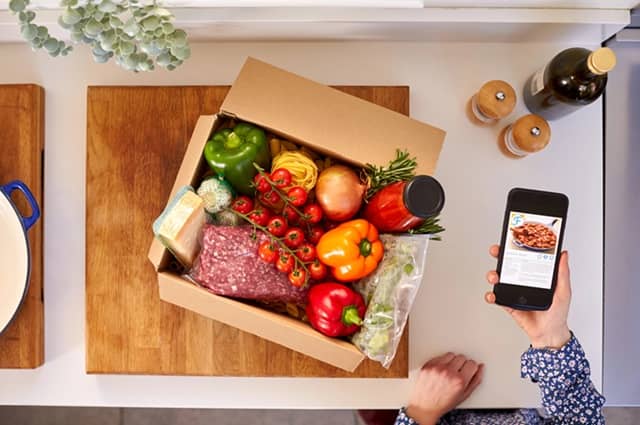
Meal kits have come a long way from their early “box of mystery ingredients” days. In 2026, they’re smarter, more flexible, and way more in tune with how people cook (or don’t cook) at home. Whether you’re a five-night-a-week home chef or a serial takeout-order fiend trying to do better, today’s meal kits are evolving to meet you where you are. Here are the biggest trends shaping what’s showing up on doorsteps right now.
Personalization Is the New Standard
Gone are the days when everyone got the same three meals. Now, meal kits are leaning hard into customization. Think AI-powered recommendations based on what you’ve ordered before, how spicy you like things, and even how much time you usually spend cooking. Hate mushrooms? Love extra protein? Want meals that take 20 minutes or less? You can tweak it all. It’s basically like having a tiny food concierge living inside your app. Some services even let you swap out individual ingredients or adjust serving sizes on the fly, so you’re never stuck with something you won’t eat.
Plant-Forward and Diet-Specific Menus Are Booming
Yes, steak still has its loyal fans, but plant-forward eating is having a big moment. Many meal kits now offer full vegetarian or vegan plans, along with options for keto, gluten-free, low-carb, and high-protein eaters. (And these aren’t sad salads, either. We’re talking mushroom “steaks,” chickpea curries, and protein-packed grain bowls that actually keep you full!) Eating for your body and your values has never been easier. What’s more, these specialized menus are becoming increasingly chef-developed, proving that dietary restrictions don’t have to mean boring food.
Sustainability Is Finally Getting Real
People are paying attention to what happens after dinner, and meal kit companies are responding. More brands are using recyclable, compostable, or reduced packaging, and many are sourcing ingredients locally to cut down on transportation waste. Some even highlight how much food waste their portioned kits prevent compared to grocery shopping. Carbon-neutral shipping and partnerships with regenerative farms are also becoming selling points for eco-conscious consumers. So yes, you can feel a little smug about saving the planet while you sauté onions.
The Rise of Ready-to-Eat and Hybrid Kits
Not every night is a “chop, simmer, and sauté” kind of night. That’s why more meal kit services now offer ready-to-heat or partially prepped meals alongside their traditional cook-it-yourself boxes. You might get one fully cooked lasagna, one 10-minute stir-fry, and one from-scratch recipe in the same week. It’s a choose-your-own-adventure for dinner, and it respects the fact that sometimes you’re tired. This flexibility also makes meal kits more appealing to busy professionals, parents, and anyone juggling multiple schedules under one roof.
Meal Kits Are Breaking Out of the Subscription Box
Subscriptions are still huge, but meal kits are popping up in grocery stores, online marketplaces, and even pop-up shops. This lets people try kits without committing to a weekly delivery. It’s a smart move: more flexibility, less pressure, and way fewer “I forgot to skip this week” moments. Casual users get to dip a toe in, while die-hard fans can stock up when it’s convenient. Retailers are also using these in-store kits to attract younger shoppers who want convenience without the commitment of another monthly subscription.